Movement for Menstruating Bodies
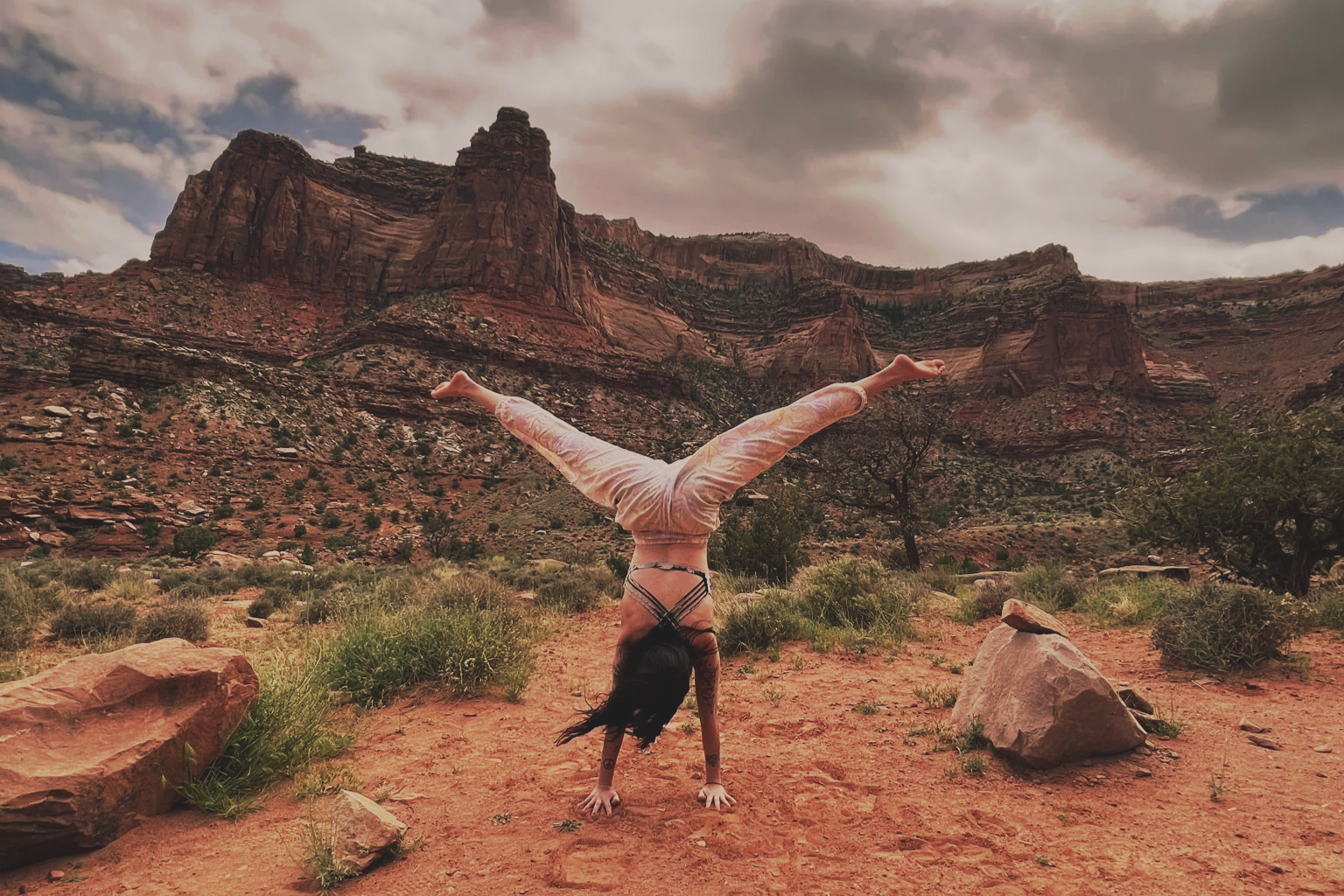
My mornings don't often start with a 5am spin class, fluorescent lights, plastic clothing, the music turned up loud enough to drown out what your body is actually telling you. Kudos to the women who thrive there, truly. But my rhythm has never lived in that room. It lives in a slower morning, gentle movement in nature, sun on skin before the day asks anything of me.
Like many of my writings, this isn't a piece about the "right" way to move. It's an invitation to notice what your body is actually asking for, and to trust that answer, even when it changes week to week.
All Bodies Are Different, and That's the Whole Point
Before we go further, I want to name something clearly: a well-nourished body with a strong metabolism is going to move through movement differently than a malnourished, healing body with low thyroid function. This isn't a moral failing on either end, it's physiology. If you're in a season of repair, of rebuilding your metabolism, of healing from years of restriction or overtraining, your version of "movement" might look nothing like someone else's, and it shouldn't have to.
This is why so many rigid workout plans leave us feeling like we've failed. They ask us to perform consistency in a body that is, by design, cyclical. When we understand our physiology instead, our rhythms, what our hormones are actually doing week to week (more on that here), we stop asking our bodies to be static. We start attuning to what they need in real time.
What This Can Look Like
Supporting your body with movement throughout your cycle is one of the most beautiful ways to build a personalized nourishment practice with her. Not a plan you impose. A relationship you tend.
I look forward to my heavier strength training days around mid-cycle, when energy and hormones are on the rise and my body genuinely wants to be challenged. There's a kind of momentum there I don't want to let go of.
And even though part of me wants to keep that momentum going as I move into late luteal, when hormones begin to drop, I've learned to honor that shift instead of fighting it. That's when I turn toward gentler movement, like joint stability work or a quiet hike in nature. Not because I'm giving up on myself, but because I'm listening.
Movement, Phase by Phase
Here's where it gets fun, because once you start tracking how your energy shifts, you can start meeting it instead of overriding it. Yoga, tai chi, dance, walking, hiking, biking, swimming, blading, your sport of choice, all of it can have a place somewhere in your cycle. These are starting points, not prescriptions. Your body, your metabolic health, your nervous system state all shape what actually feels nourishing on any given day. Let them guide you more than any list, including this one.
Menstruation — Estrogen and progesterone are both low, energy is often at its quietest. This is a season for movement that asks very little and gives a lot back. Think slow, floor-based stretching, restorative yoga, a bath followed by some gentle rolling around on the rug with your cat. If you want to be outside, a short, unhurried walk with no destination. Swimming can feel wonderful here too, something about being in the water when your body wants to be held. This is not the time to prove anything. It's the time to rest into the descent.
Follicular Phase — Estrogen begins climbing, energy and mood often start to lift. As you move out of menstruation, you may notice a little spark returning, curiosity, playfulness. This is a beautiful window for movement that feels like exploration rather than obligation. Dancing around your kitchen. Trying a new hiking trail. Rollerblading, or picking up a bike. Beginner classes, group movement, anything novel tends to land well here because your brain is genuinely more receptive to new patterns right now.
Ovulation — Estrogen peaks, testosterone rises, energy and confidence often peak too. This is typically when your body can handle, and even craves, more intensity. Heavier strength training, like I mentioned, but also a run if that calls to you, a cardio class, or anything social and expressive: partner dancing, a group hike, a swim you push yourself in, a rollerblading loop where you're really moving. Your coordination and strength both tend to be at their best here, so if there's a movement practice that intimidates you, ovulation is often the most supported time to try it.
Luteal Phase — Progesterone rises then falls, energy tends to taper as the phase progresses. Early luteal can still hold some of that ovulatory strength and momentum, so this is often a good window to finish out heavier lifting or more demanding movement before things shift. But as you move toward late luteal, honor the taper. Some find grounding in gentle swimming, a slow bike ride, restorative yoga or stretching, or simply dancing alone in their room with no goal beyond feeling the music in their body. Irritability and fatigue can both show up here, and gentler movement isn't a step backward, it's exactly what your physiology is asking for.
The Practice Underneath the Practice
This is really what cyclical living offers us: permission to stop measuring our worth by our output, and start measuring it by how attuned we are. A heavier lifting day and a slow hike are not opposites, one "good" and one "less than." They're both forms of showing up, just at different points in the same rhythm.
Your body is already telling you what it needs. Movement, when we let it be cyclical instead of constant, becomes one of the clearest ways to hear her.
If you're not sure how to start listening to what your body wants from movement, that's exactly the kind of thing we can explore together on a Connection Call.